Research
Fieldwork and laboratory projects from the Ethiopian Highlands to the Atlantic coast of Iberia.

Melka Wakena
- Region
- Southeastern Ethiopian Highlands
- Period
- ~1.6 to >0.7 million years ago
Melka Wakena is a newly discovered site complex on the Southeastern Ethiopian Highlands, dated to the second half of the Early Pleistocene. This project explores, through a multidisciplinary approach, Early Pleistocene population dynamics and their influence on the transformations of human behaviour.
Led by Prof. Dr. Erella Hovers
Read the site paper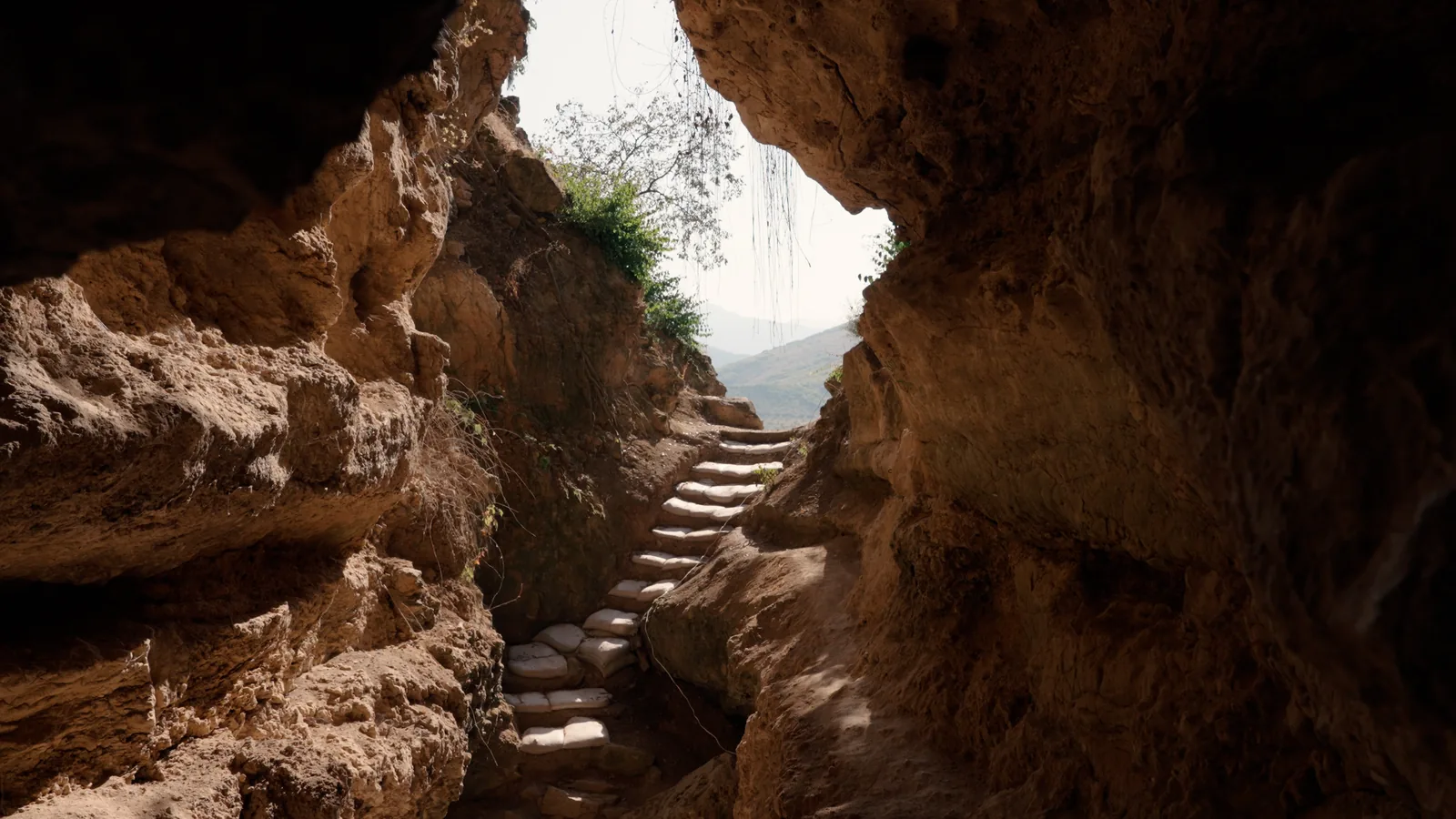
Karabakh Palaeolithic Project
- Region
- Azykh Cave and the Shusha region, Lesser Caucasus
- Period
- Lower and Middle Palaeolithic
Launched in 2024, the Karabakh Palaeolithic Project combines a new landscape survey of the karstic Dashalti Canyon with renewed excavations at Azykh Cave, a key Lower and Middle Palaeolithic site of the Caucasus. The first seasons revealed intact Pleistocene deposits in several sectors of the cave and in situ Middle Palaeolithic occupation beyond the main chamber, pointing to a structured, multi-space use of the cave along the Caucasus corridor.
Ground stone tools in the Levant
- Region
- Nesher Ramla, Far‘ah II and Ein Qashish, Israel
- Period
- Middle Paleolithic
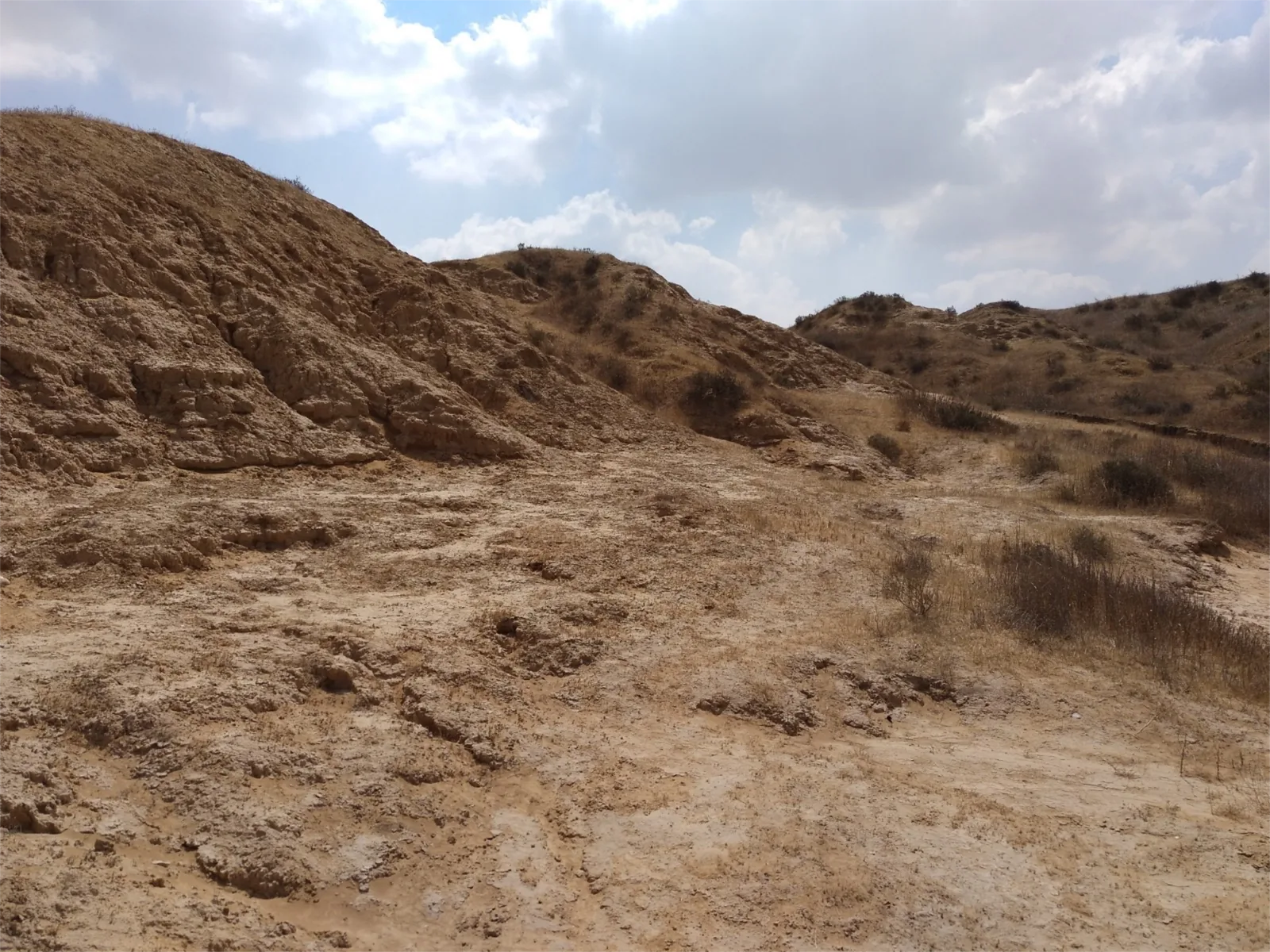
This project explores the impact of ground stone tool technology in the Middle Paleolithic of the Levant, interpreting their function through high-resolution analyses of tools from the sites of Nesher Ramla, Far‘ah II and Ein Qashish.
EcoPLis
- Region
- River Lis basin, Portugal
- Period
- Earliest human presence to the end of Prehistory
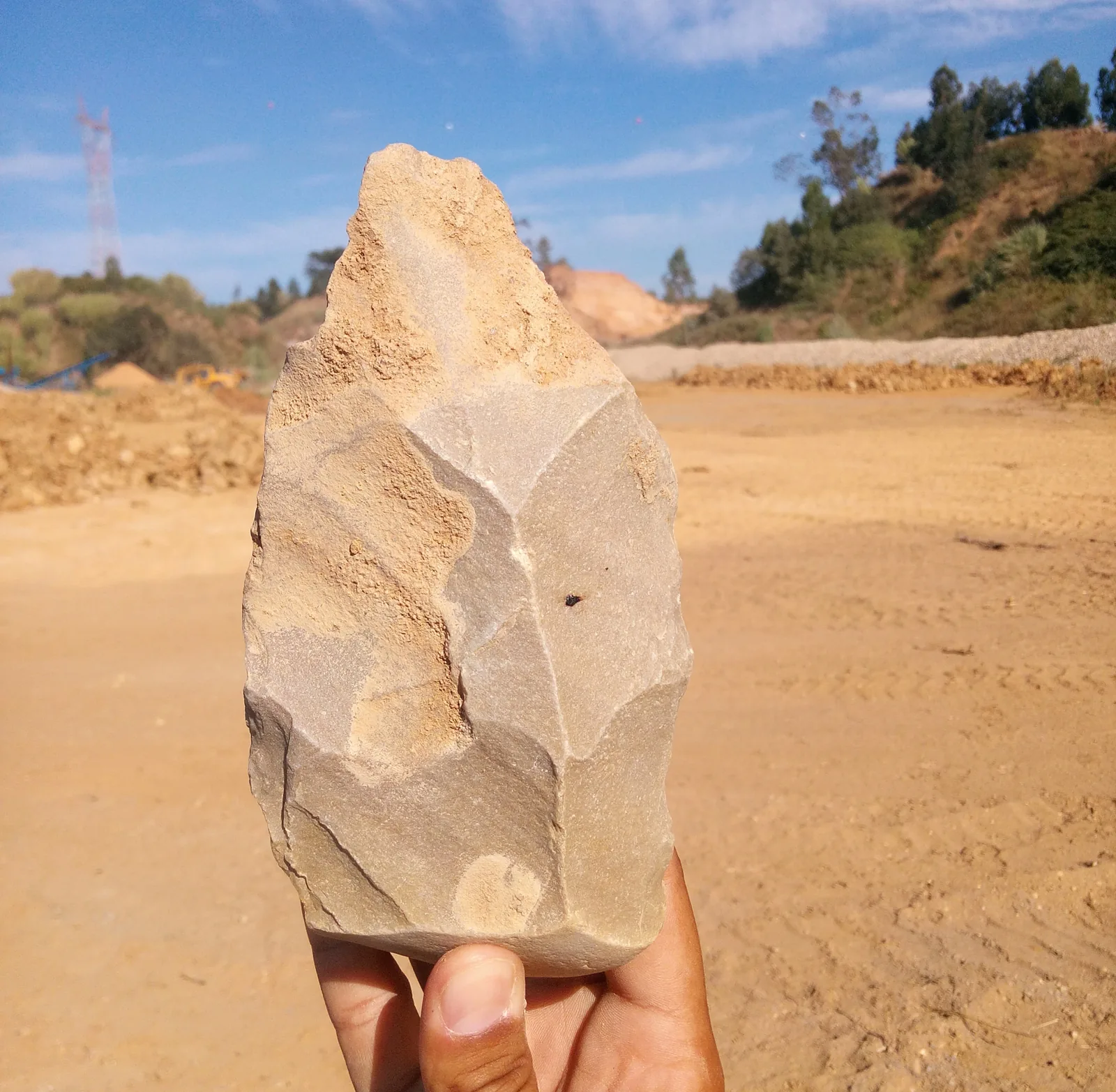
EcoPLis searches for evidence dated from the earliest human presence to the end of Prehistory on the west coast of Europe. Our multidisciplinary team uses state-of-the-art methods and equipment to collect high-resolution data from archaeological sites, their vicinities and the surrounding landscape.
Led by Prof. Dr. Telmo Pereira
Visit the project site
PaleoCoast
- Region
- Southwestern Iberian Peninsula
- Period
- Palaeolithic
PaleoCoast, Palaeolithic Human Coastal Adaptations in Southwestern Iberian Peninsula, aims to locate and identify coastal karst formations and assess their speleological and geological characteristics and archaeological potential.
Watch the project video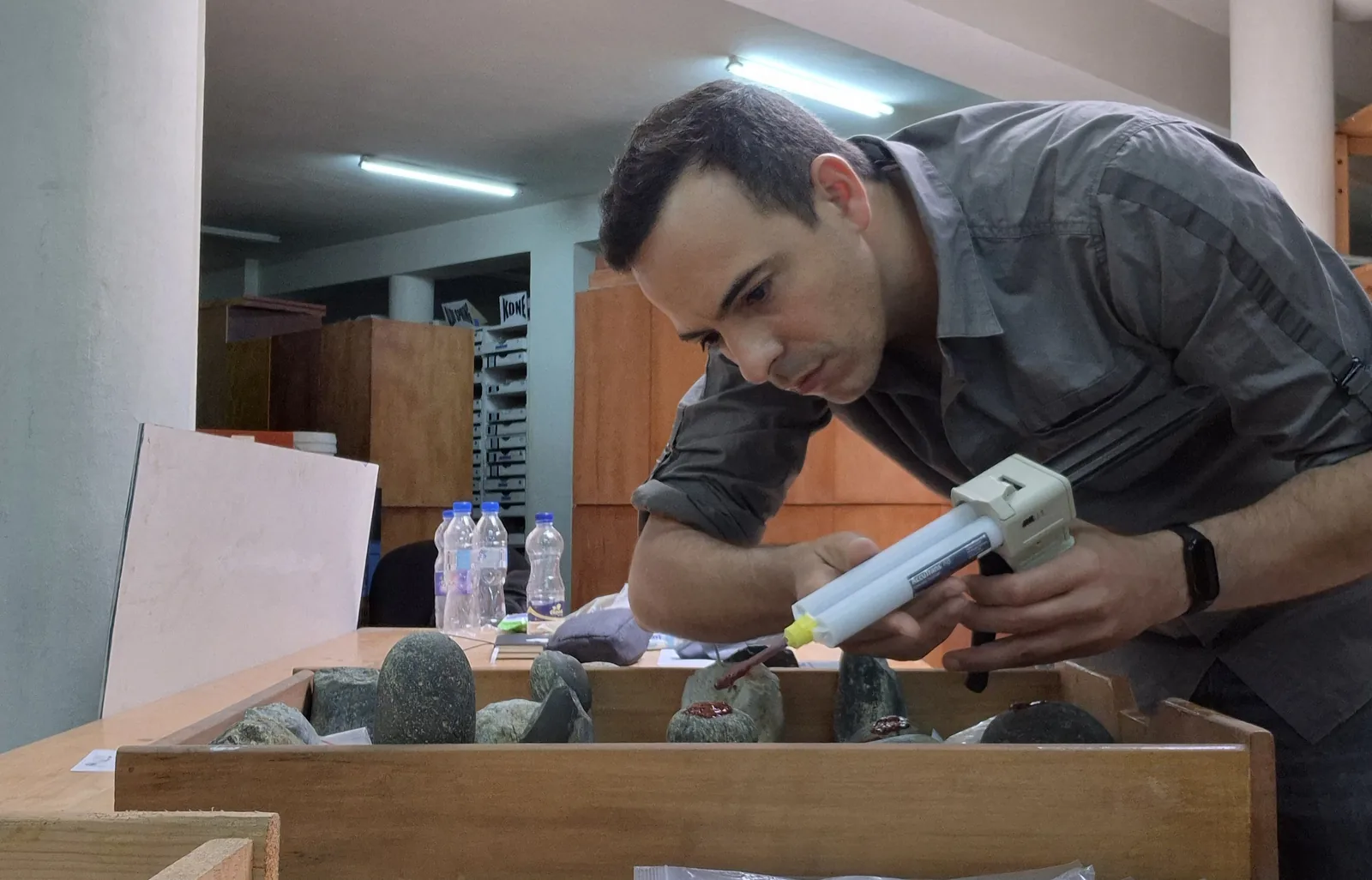
Tracing early human decision-making
- Region
- Melka Wakena, Southeastern Ethiopian Highlands
- Period
- Early Acheulian, ~1.6 to 0.7 million years ago
How and why did early humans choose the stones they used for percussion? Focusing on hammerstones, anvils and spheroids from the early Acheulian site complex of Melka Wakena, this project sets aside “knappability” to ask whether function drove raw material selection. It combines raw material testing, controlled mechanical experiments and multi-scale use-wear analysis, from 3D scanning to high-resolution microscopy, building an open experimental reference collection for percussive tools.
Led by Dr. Eduardo Paixão (PI), with the support of The Leakey Foundation
Read the first results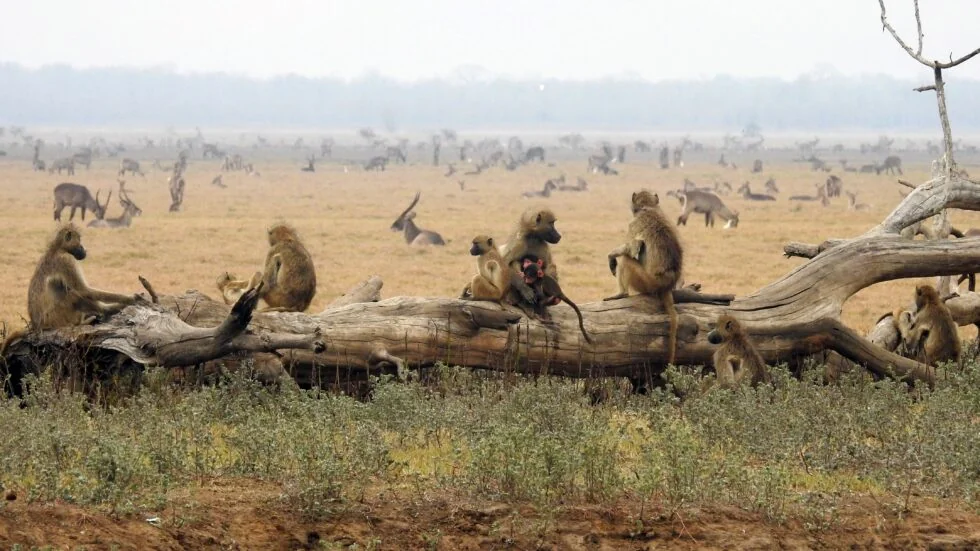
Paleo-Primate Project Gorongosa
- Region
- Gorongosa National Park, Mozambique (southern East African Rift)
- Period
- Miocene to present
An interdisciplinary project on primate evolution, past and present, in the last unexplored stretch of the East African Rift. The team has opened new Miocene fossil sites with an unusual mix of marine and terrestrial fauna and flora, and studies the park’s living primates and ecology as models for early human habitats. I serve as field coordinator and instructor of the Gorongosa Interdisciplinary Field School in Human Evolution, run with ICArEHB.
Led by Dr. René Bobe
Visit the project site